


There is something special about picking up the right book at exactly the right time of year. The story itself has not changed, yet your experience with it often does. A beach romance feels brighter when read under the summer sun. A gothic mystery becomes more atmospheric when the wind rattles the windows in October. A heartwarming Christmas novel somehow feels even cozier when snow is falling outside.
Many readers insist they can enjoy any book at any time, and there is certainly truth in that. Great books are great books regardless of the calendar. Yet countless readers also find themselves creating seasonal reading lists, saving anticipated releases for certain months, or waiting until autumn to dive into spooky stories.
Timing may not change the words on the page, but it can change how those words make us feel.
The changing seasons influence our moods, routines, energy levels, and even the kinds of stories we naturally crave. Reading becomes more than simply finishing another book. It becomes part of the experience of the season itself.
Let’s explore why some books seem perfectly matched to particular times of year and why waiting to read certain stories can make them even more memorable.
Reading Is More Than the Story
Books are unique because they invite readers to participate in creating the experience. Unlike movies, which provide the sights and sounds for us, books ask us to imagine every scene.
That means our surroundings often become part of the reading experience.
Imagine reading a novel set on a windswept Scottish moor while sitting beside a crackling fireplace during a cold November evening. Now imagine reading that same book on a crowded beach in July.
The words are identical. Your emotional response may not be.
Our environment naturally influences our imagination. The temperature outside, the amount of daylight, the sounds around us, and even seasonal traditions can deepen our connection to a story.
This is one reason seasonal reading feels so satisfying.
Summer Books Feel Like an Escape
Summer often represents freedom, longer days, vacations, and slowing down. Even for adults with busy schedules, there is something about summer that encourages lighter reading.
Readers frequently reach for:
- Contemporary romance
- Beach reads
- Family dramas
- Travel fiction
- Cozy mysteries
- Feel-good fiction
- Adventure novels
These books often feature sunny settings, vacations, coastal towns, road trips, and themes of personal growth.
Many summer stories focus on possibility. Characters begin new relationships, discover hidden dreams, reconnect with family, or take risks they might never consider during the rest of the year.
The relaxed atmosphere of summer pairs beautifully with hopeful, uplifting stories. Reading beside the pool, on a porch swing, or during a vacation naturally reinforces the mood already found in these books.
Even if you never leave home, the pages create their own getaway.
August Has Its Own Reading Personality
Although August is technically still summer, it carries a noticeably different feeling than June or July. The excitement of early summer begins to soften. Students prepare to return to school. Families wrap up vacations. Days remain warm, but many readers begin looking ahead toward autumn.
Because of this transition, August often becomes the perfect month for books that bridge two seasons.
Readers frequently enjoy:
- Small-town romances
- Late summer family sagas
- Coming-of-age novels
- Stories about change and new beginnings
- Gentle mysteries
- Literary fiction with reflective themes
August is a month of endings and beginnings. There is nostalgia mixed with anticipation.
Books that capture transition often resonate especially well during this time because they reflect what many readers are already experiencing.
Fall Invites Reflection
Autumn changes everything. The weather cools. Schedules become busier. Leaves change color.
Many readers naturally spend more evenings indoors. This slower rhythm encourages books with richer atmosphere and greater emotional depth.
Fall favorites often include:
- Gothic Fiction
- Cozy Mysteries
- Dark Academia
- Historical Fiction
- Fantasy
- Psychological Thrillers
- Family Dramas
These stories tend to emphasize mood as much as plot.
Readers often appreciate descriptive writing more during autumn because they are already noticing the changing world around them.
- A foggy forest.
- An old manor house.
- A mysterious village.
- An ancient library.
These settings feel especially immersive when they mirror the season outside your window.
October Belongs to Atmosphere
October may be the easiest month to associate with specific books.
Many readers intentionally save spooky books all year long. Not because those books cannot be enjoyed in April. Because October simply enhances them. Ghost stories feel eerier. Mysteries become more suspenseful. Dark fantasy feels richer.
Even readers who avoid horror often enjoy atmospheric mysteries, magical realism, or gothic classics during October. The season creates a sense of anticipation before the first page is even turned.
Reading by candlelight or beneath a cozy blanket becomes part of the tradition. The experience extends beyond the story itself.
Winter Is Built for Cozy Reading
Winter encourages slowing down. Long nights naturally invite longer reading sessions. Many readers find themselves choosing emotionally comforting books.
Popular winter choices include:
- Christmas Romances
- Historical Fiction
- Epic Fantasy
- Classic Literature
- Character-driven novels
- Inspirational Fiction
The quieter pace of winter allows readers to settle into longer books they may not have attempted during busier months.
Epic fantasy series often flourish during winter because readers have more opportunities to immerse themselves in expansive fictional worlds.
Likewise, classics seem especially rewarding when paired with snowy afternoons and warm drinks.
Winter reading often feels intentional. Books become companions during the coldest months.
Spring Brings Fresh Starts
Spring carries its own reading personality.
Nature begins blooming again. People organize their homes, start new hobbies, and embrace fresh beginnings. Books about hope, growth, healing, and transformation naturally complement the season.
Readers often gravitate toward:
- Women’s Fiction
- Inspirational novels
- Garden-themed books
- Cottagecore Fiction
- Regency Romances
- Nature writing
Spring stories tend to feel optimistic. They remind readers that change can be beautiful.
Mood Reading Often Follows the Seasons
Many readers identify as mood readers. Instead of following strict reading plans, they choose books based on how they feel.
Interestingly, moods often shift with the seasons.
- Summer encourages adventure.
- Autumn encourages reflection.
- Winter encourages comfort.
- Spring encourages optimism.
Without even realizing it, many readers naturally align their book choices with these emotional rhythms. That is why forcing yourself to read a book you’re simply not in the mood for rarely works. The book may be excellent. The timing simply isn’t.
Seasonal Settings Feel More Immersive
Setting matters.
Reading about snowy mountains during a snowstorm creates an immersive experience.
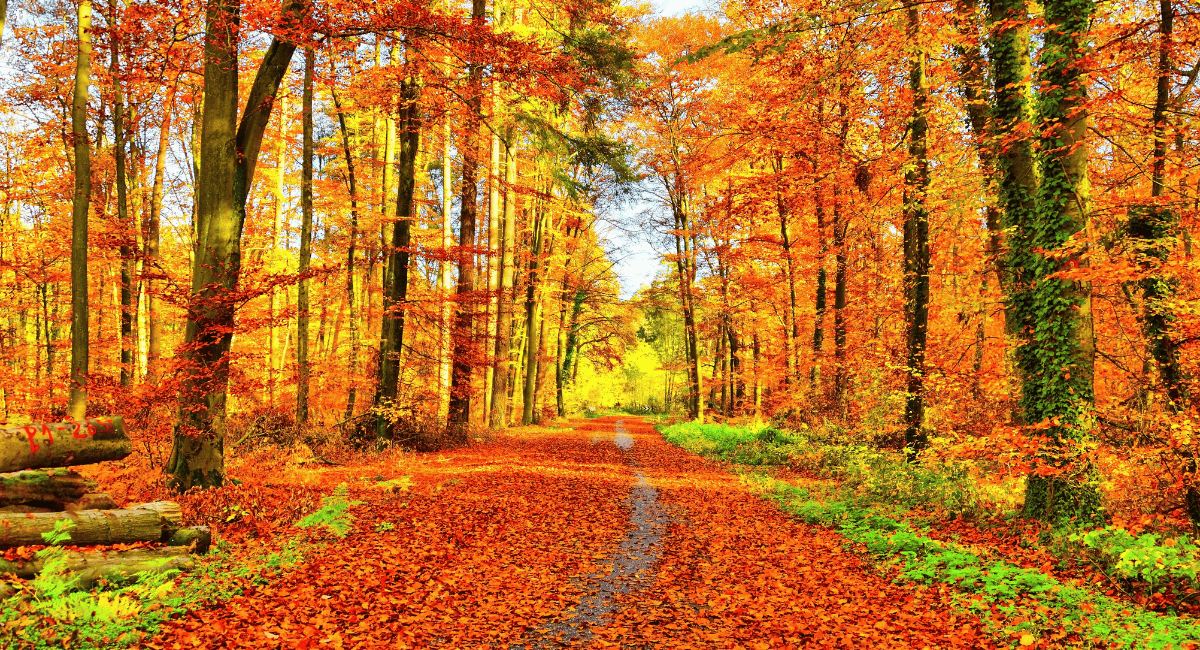
Reading about colorful autumn forests while leaves are changing outside strengthens your connection to the story.
Likewise, books set at the beach often feel more vivid when the weather is warm.
Seasonal alignment creates a subtle form of sensory storytelling. Your imagination has real-life details to draw from. The smells. The temperatures. The sounds. The colors. Everything works together to make fictional worlds feel even more believable.
Holiday Books Lose Some Magic Outside Their Season
Holiday novels can certainly be enjoyed year-round.
Still, many readers intentionally save them.
- Halloween stories belong to October.
- Thanksgiving-themed novels fit naturally into November.
- Christmas books become part of December traditions.
Waiting builds anticipation. Instead of becoming ordinary, these books become annual events.
Some readers even reread favorite holiday books every year because they have become tied to cherished memories.
The calendar becomes part of the reading ritual.
Anticipation Makes Books More Memorable
Delayed gratification often increases enjoyment.
Saving a highly anticipated autumn novel until September creates excitement.
Holding onto a beloved Christmas romance until December gives it something to look forward to.
The waiting itself becomes enjoyable.
Many readers create seasonal TBR lists months in advance. Each season brings a fresh collection of books perfectly suited to that time of year.
Instead of feeling overwhelmed by endless choices, readers have something exciting waiting just around the corner.
Seasonal Reading Prevents Burnout
Reading hundreds of books each year can sometimes make stories blur together.
Seasonal reading naturally introduces variety.
- Summer may focus on romance.
- Fall may emphasize mysteries.
- Winter may explore fantasy.
- Spring may feature uplifting fiction.
Changing genres throughout the year keeps reading fresh.
Instead of consuming similar books month after month, readers continually experience something different. This variety helps maintain enthusiasm throughout the year.
Some Books Simply Feel Wrong at the Wrong Time
Almost every reader has experienced this:
You start a highly recommended book. Everyone else loves it. You struggle through the first few chapters. Months later, you try again. Suddenly, you cannot put it down.
What changed?
Sometimes the answer is simply timing. Perhaps you needed a lighter story. Perhaps your life circumstances shifted. Perhaps the season better matched the emotional tone of the book.
Not every disappointing read is actually a bad book. Sometimes it simply arrives at the wrong moment.
Build Seasonal Reading Traditions
One of the joys of reading is creating traditions that return every year.
Some readers save one classic mystery every October. Others read a Christmas romance every December. Some dedicate spring to historical fiction or summer to contemporary romance.
These traditions create comforting rhythms. The books become woven into the memories of each season. Eventually, the story and the season become inseparable.
Years later, simply seeing the book cover can remind you of crisp autumn mornings, summer vacations, or snowy evenings spent reading by the fire.
You Don’t Have to Follow Seasonal Rules
Although seasonal reading is fun, it should never become restrictive.
If you’re craving a Christmas romance in July, read it. If you’re in the mood for a beach novel during January, enjoy it.
Reading should remain personal.
Seasonal suggestions are invitations, not requirements. The goal is not to follow someone else’s calendar. The goal is to maximize your own enjoyment.
Some readers prefer matching books to the weather. Others simply follow their curiosity. Both approaches are equally valid.
Finding Your Own Seasonal Reading Rhythm
The best way to discover your seasonal preferences is simply to pay attention.
Notice which books stay with you.
Think about when you read them. Were you on vacation? Was it during the holidays? Did the setting match the season?
Over time, patterns often emerge.
You may discover that cozy mysteries become annual fall companions. Romantic comedies may always remind you of summer afternoons. Fantasy epics may feel most satisfying during the quiet days of winter.
These personal traditions develop naturally. There is no perfect formula. Only the reading life that brings you the greatest joy.
Final Thoughts
Books have a remarkable ability to transport us, but the season in which we read them can shape that journey in surprising ways. A story that feels pleasant in one month may become unforgettable in another because our surroundings, emotions, and daily rhythms deepen the experience.
Summer invites lighthearted adventures and romances. August offers reflective stories that capture change. Autumn surrounds atmospheric mysteries with crisp air and colorful leaves. Winter encourages cozy comfort, while spring celebrates hope and renewal.
None of these are hard rules. Great books can be enjoyed whenever inspiration strikes. Yet saving certain stories for the season that complements them often makes the reading experience richer, more immersive, and more memorable.
Sometimes the perfect book is not only about finding the right story. It is also about finding the right moment to read it.
Happy Seasonal Reading!