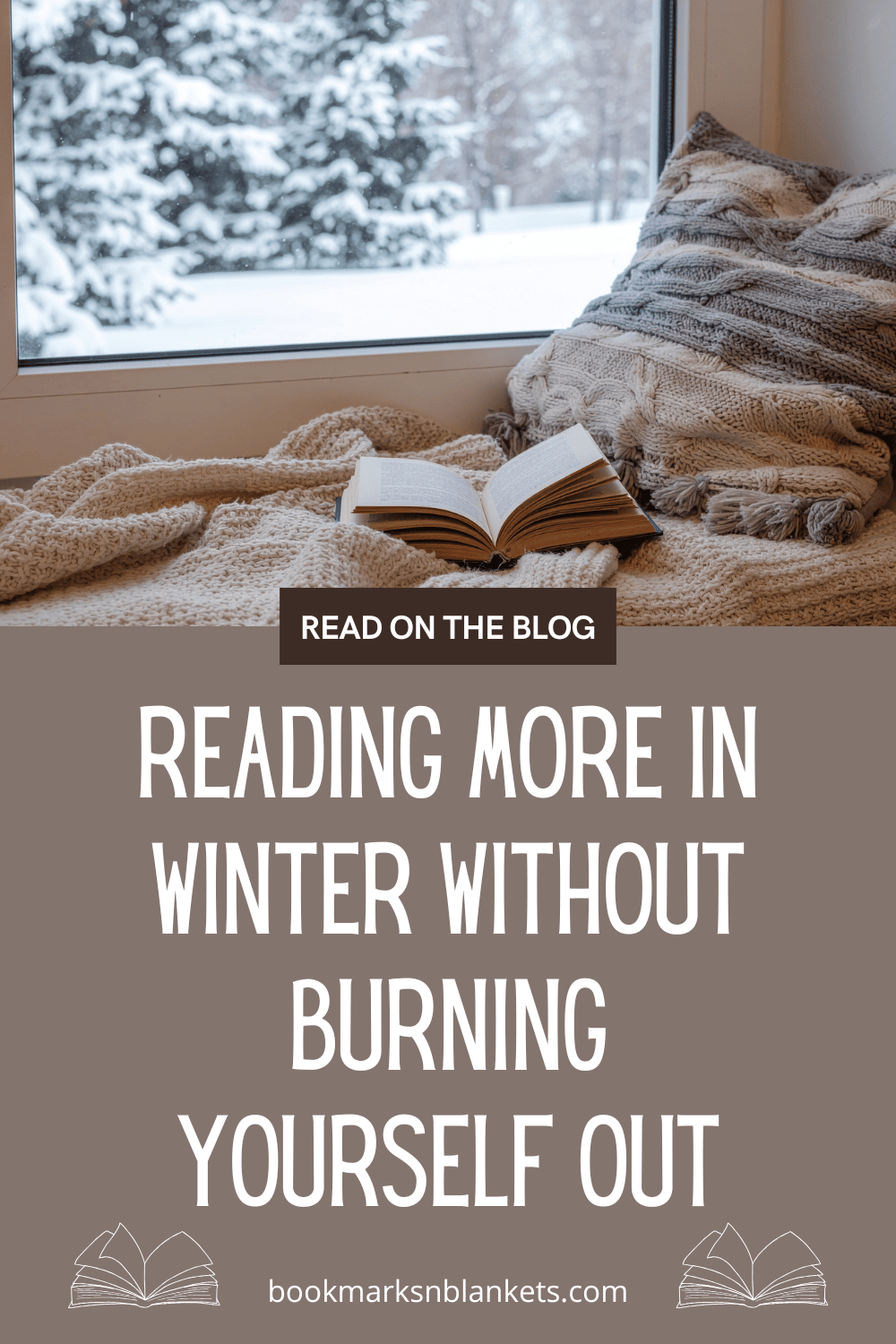



Winter has a way of making books feel irresistible. The darker evenings, the quieter mornings, the pull of blankets and warm drinks all seem to whisper that this is the season to read more. And yet, winter is also when energy dips, motivation wobbles, and mental health can feel a little more fragile. Trying to power through an ambitious reading goal during this season can quietly turn something comforting into another source of pressure.
Reading more in winter does not have to mean pushing yourself past your limits. In fact, the best winter reading habits are the ones that respect rest, honor seasonal fatigue, and treat books as companions rather than tasks. If you want to read more this winter without burning yourself out, it starts with changing how you define progress.
Let Winter Set the Pace
Winter is not a season of constant output. Nature slows down, days shorten, and even our bodies respond by craving more rest. Expecting yourself to read at the same pace you might in spring or summer can create unnecessary friction.
Instead of setting rigid goals, try setting seasonal intentions. You might decide that winter is about lingering with stories, rereading favorites, or choosing books that feel emotionally supportive. Reading slowly is not a failure. It is often exactly what this season asks of us.
If your energy comes in waves, read in waves too. Some weeks, you might finish several chapters a night. Other weeks, a few pages before bed might be enough. Both count.
Redefine What Counts as Reading
One of the fastest paths to burnout is believing that only certain types of reading are valid. Winter is the perfect time to broaden your definition.
Audiobooks can be a lifeline during low-energy days. They allow you to rest your eyes while still staying connected to stories. Listening while cooking, stretching, or lying down with the lights dimmed can keep reading woven into your day without draining you.
Short stories, novellas, poetry, and essays also deserve more credit. They fit beautifully into winter rhythms, offering a sense of completion without the commitment of a long novel. Even dipping into a book for a single chapter is still reading.
Choose Books That Match Your Mood
Winter reading burnout often comes from choosing books based on what you think you should read rather than what you actually need. This is especially true if you are dealing with seasonal fatigue, anxiety, or low mood.
Pay attention to how books make you feel while you are reading them. If a story feels heavy, confusing, or emotionally taxing, it is okay to pause it. You can always come back later. Winter is not the season to force yourself through books that drain you.
Comfort reads shine this time of year. Familiar authors, cozy settings, slow pacing, and hopeful tones can feel like emotional shelter. This does not mean avoiding challenging books entirely, only balancing them with stories that offer ease and warmth.
Create Low-Pressure Reading Rituals
Reading more does not require grand routines. In fact, simple and flexible rituals are more likely to stick.
Try attaching reading to moments that already exist. A few pages with your morning coffee. A chapter before turning off the lights. Ten minutes while waiting for dinner to cook. These small pockets add up without demanding extra energy.
Make your reading space inviting but uncomplicated. A good lamp, a comfortable spot, and a book within reach are often enough. The goal is to reduce friction, not create a picture-perfect setup that feels like another thing to maintain.
Balance Reading With Real Rest
Reading is restorative, but it is not a substitute for rest. When energy is low, even activities we love can become tiring.
Pay attention to the difference between restful reading and effortful reading. If you find yourself rereading the same paragraph multiple times, feeling restless, or mentally foggy, it might be time to rest without a book. Closing your eyes, stretching, or simply sitting quietly can help you return to reading with more presence later.
Giving yourself permission to rest without producing anything is one of the kindest things you can do for your winter self.
Protect Your Mental Health While Reading
Books can be powerful emotional experiences, especially in winter when feelings tend to surface more easily. Being mindful of your mental health as you read can prevent burnout and overwhelm.
If certain themes are triggering or heavy for you, it is okay to set boundaries around them during this season. You can save intense books for times when you feel more emotionally resourced.
It can also help to balance emotionally heavy fiction with lighter reads or nonfiction that feels grounding. Switching between tones keeps reading from becoming emotionally exhausting.
If reading ever starts to feel like an escape you rely on to avoid dealing with how you feel, gently check in with yourself. Books can comfort and distract, but they work best alongside other forms of care like movement, connection, and rest.
Release the Pressure of Reading Goals
Reading challenges and yearly goals can be motivating, but they can also quietly fuel burnout in winter. Watching a number lag behind while your energy dips can make reading feel like another obligation.
Consider shifting your focus from quantity to experience. Instead of counting books, pay attention to how reading fits into your life:
- Are you enjoying it?
- Does it feel supportive?
- Are you reaching for books because you want to, not because you feel you should?
You might even give yourself a winter permission slip to ignore numbers entirely. Reading more over the long term often comes from falling back in love with the act itself.
Keep Your Reading Life Flexible
Monotony can drain motivation, even when the activity is something you enjoy. Adding variety to your reading life can keep winter reading fresh without overwhelming you.
Try alternating between formats, like print, ebook, and audio. Switch between genres or mix longer books with shorter ones. Read one book slowly while keeping a lighter option for days when focus is harder to find.
Variety does not mean chaos. It simply means giving yourself options so reading always feels accessible.
Accept That Some Winters Are Quieter
Not every winter will be a high reading season, and that is okay. Life circumstances, mental health, and energy levels all play a role.
If you read less this winter, it does not mean you have failed or lost your identity as a reader. Seasons change, and your reading life will ebb and flow along with them.
Trust that your love of books is still there, even if it is quieter right now. Sometimes the most nourishing winters are the ones where reading takes a softer, less demanding shape.
Reading as a Companion, Not a Competition
At its best, winter reading feels like companionship. A steady presence that offers comfort, curiosity, and moments of escape without asking too much in return.
When you let go of rigid expectations and listen to what your body and mind need, reading naturally finds its place. Some days that will look like hours lost in a story. Other days, it will be a single page before sleep.
Both are enough. Winter reading is not about proving productivity. It is about moving through the season with a little more warmth, gentleness, and care.
Happy Reading!